

 AI
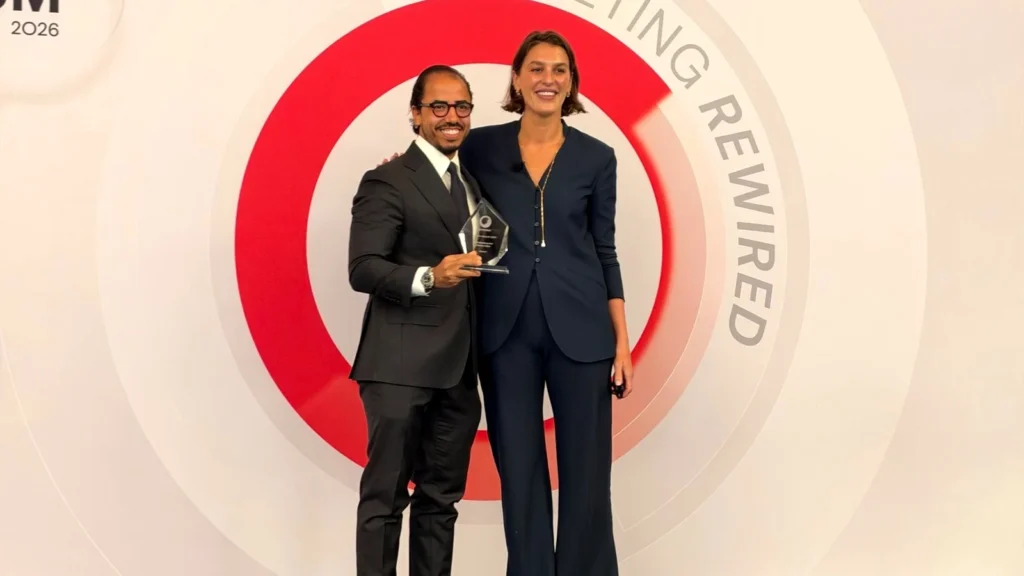
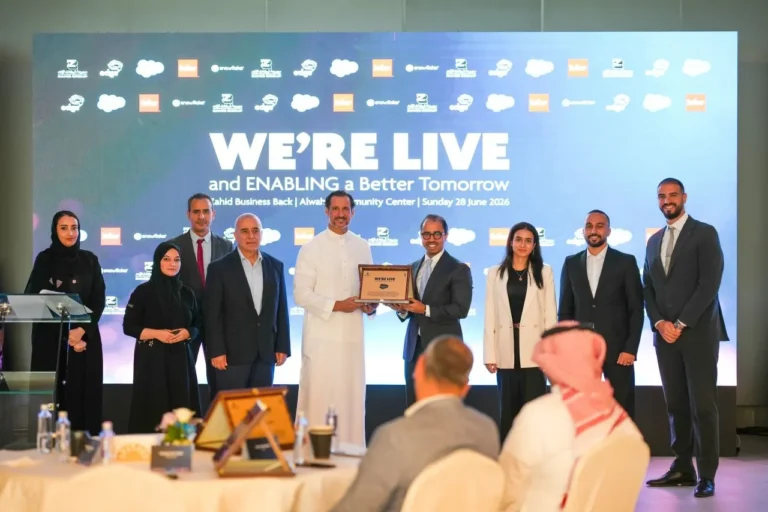
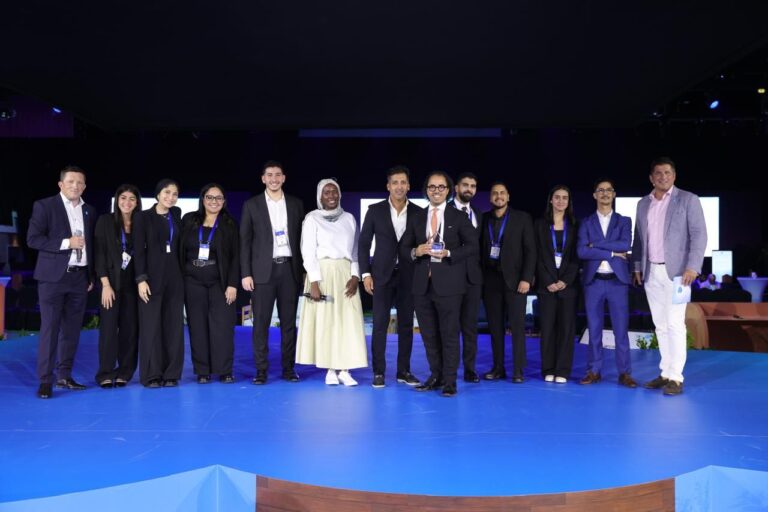
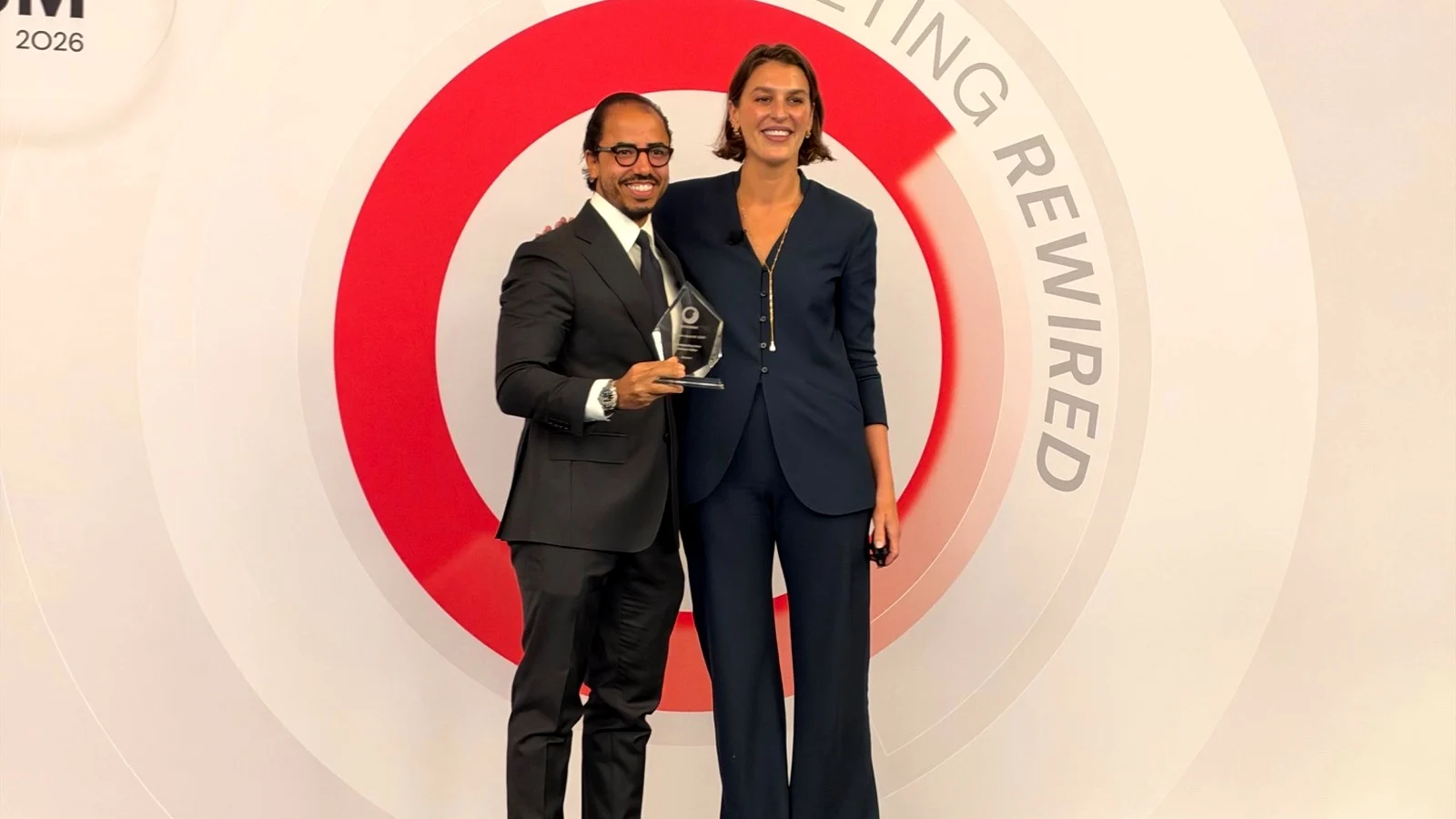
I flew to Orlando for Sitecore Symposium with one question: what will change for the brands we serve in Saudi Arabia, the UAE, Qatar and Egypt, now that their customers increasingly ask an AI assistant before they ask Google? I leave Orlando with an answer, and with an award. Arcsen was named Outstanding New Partner EMEA at the Sitecore Partner Awards 2026, presented on stage at Symposium. More on that at the end.
The theme was Marketing Rewired. A year ago the conversation was about being found by AI. In Orlando it moved on to being chosen, and Sitecore put the whole cycle, from what the assistants say about a brand to the fix and the result, inside one platform.
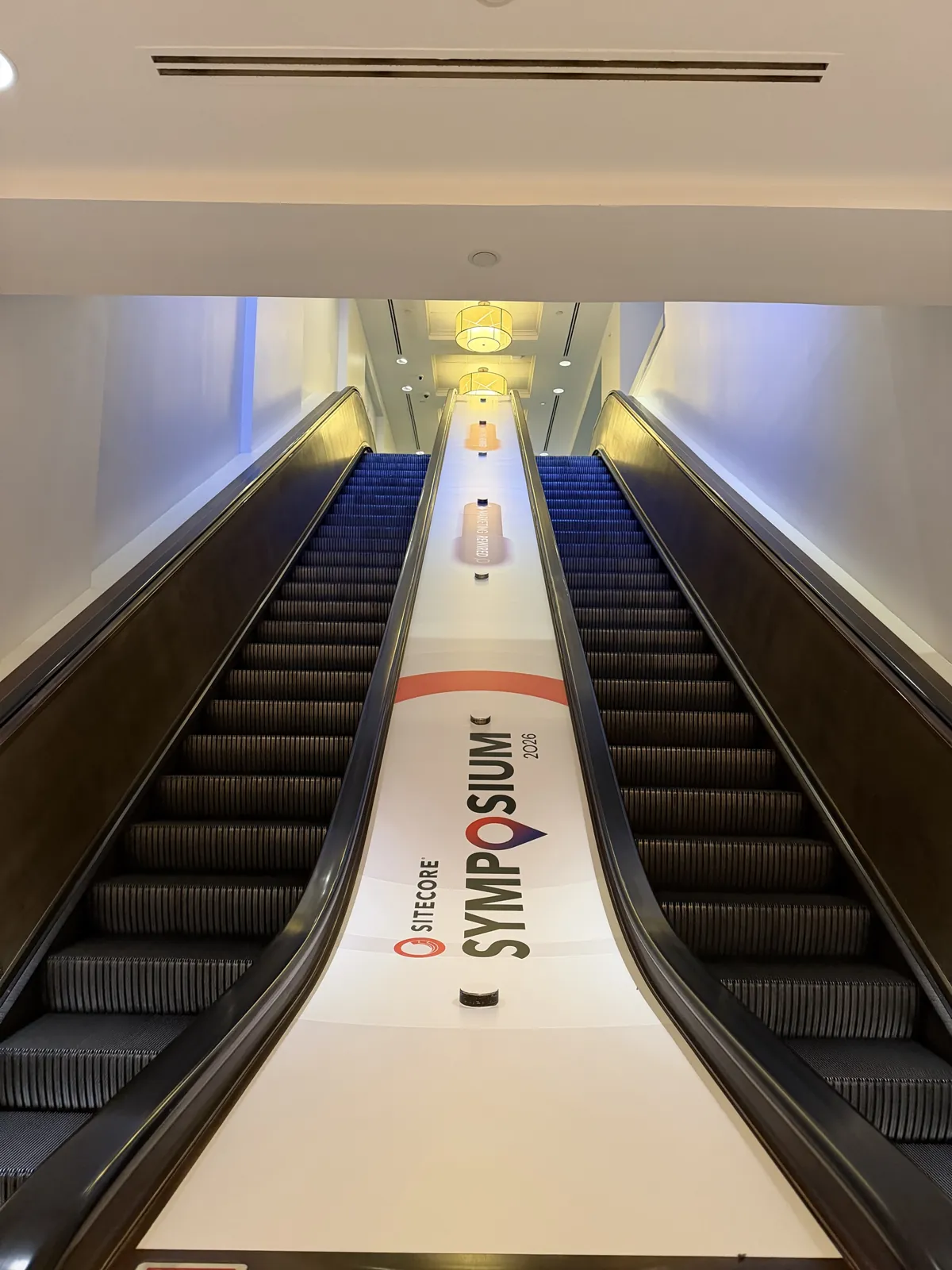
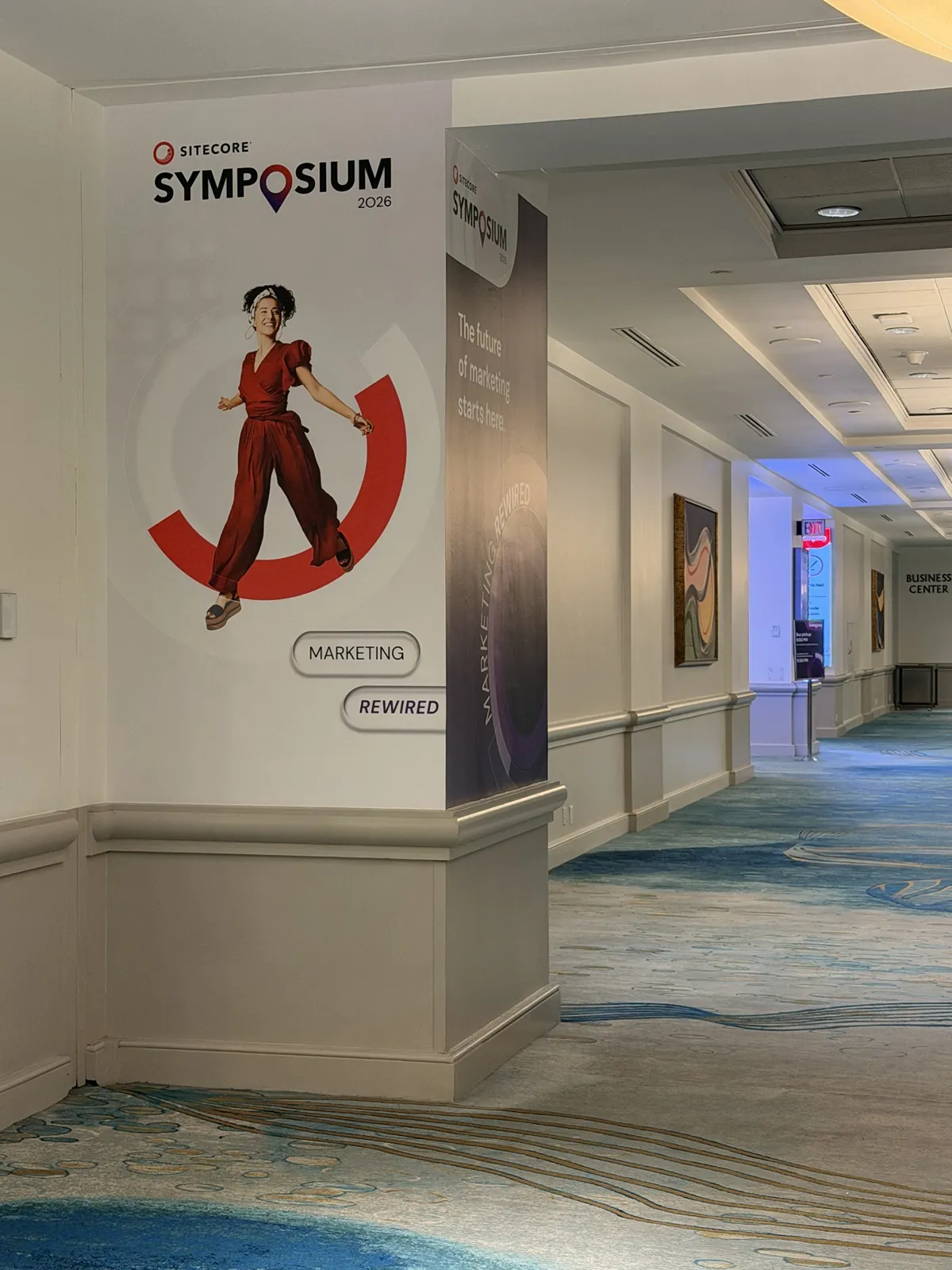
A note on interest: Arcsen is a Sitecore partner and we implement Scrunch. Facts below come from Sitecore and Scrunch announcements, press coverage of the event and Sitecore’s own day recaps, all listed under Sources. The opinions are mine.

The week in one table
| Announcement | What it does | Status |
|---|---|---|
| MarketingIQ Day 1, 11 November |
Contextual intelligence plus AI agent orchestration in SitecoreAI. Turns what Scrunch finds in AI answers into proposed content and campaigns, from approved brand knowledge, for a person to approve. | Announced. Will be available to all SitecoreAI customers; no date given. |
| Citation Optimization Day 2, 12 November |
For every prompt a brand tracks, finds the third-party pages AI answers cite, ranks them by influence and by how easily the brand can earn a place, and prepares outreach. | Available now in Scrunch. |
| Imposter Detection | Surfaces suspected impostor sites cited in AI answers and provides the actions to start a takedown. | Launched with Citation Optimization. |
| Shipped in the 100 days before | Knowledge Studio, Site Optimization, Agent Pages and Content Generation. | Available. |
| Customers’ agents acting on your site | A customer’s own AI agent requests a demo or registers for an event on a brand’s site, within the brand’s permissions. Scrunch is adding WebMCP support toward this. | Planned. |
Day 1: MarketingIQ closes the loop
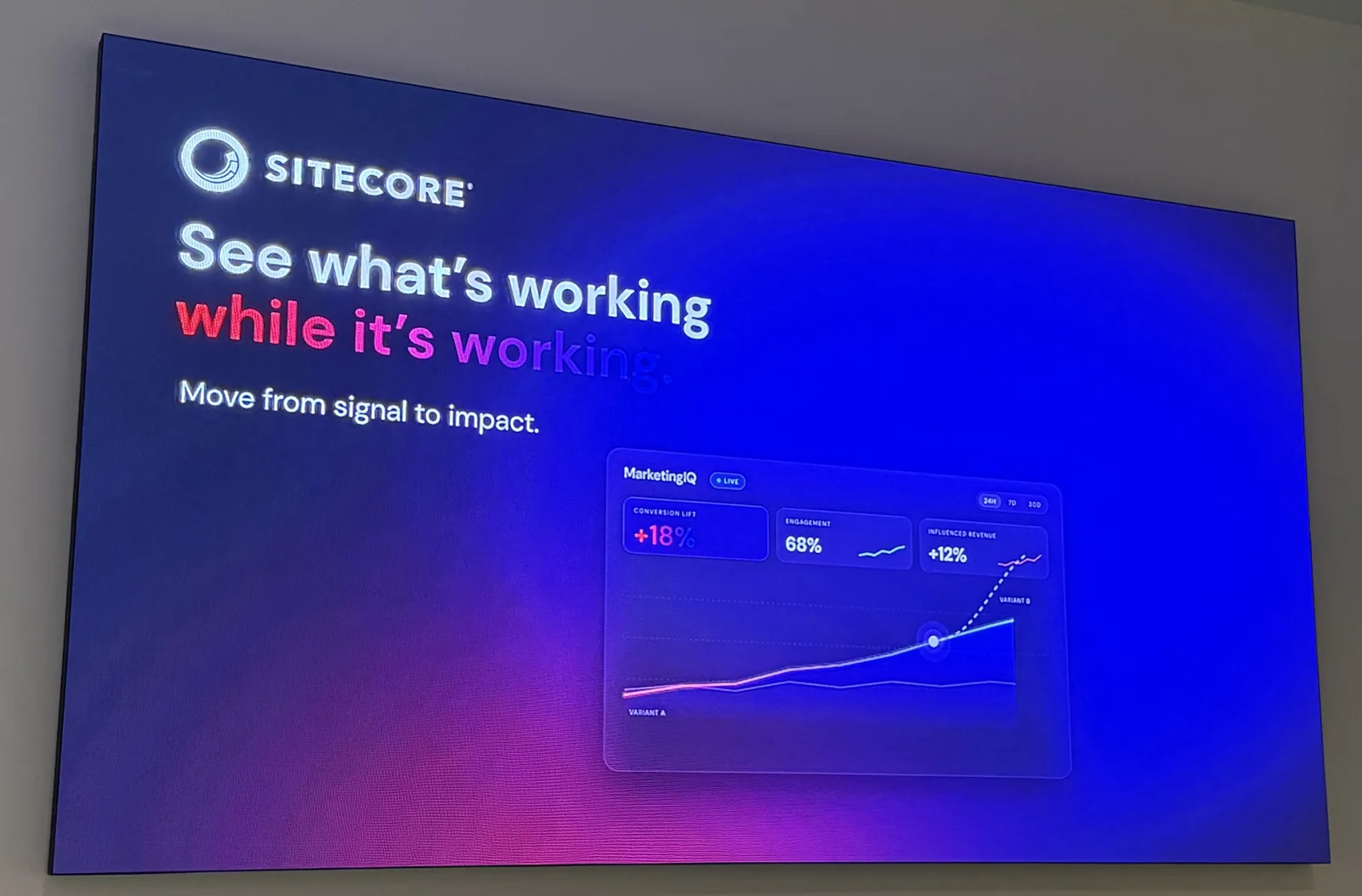
Sitecore describes MarketingIQ as the contextual intelligence and agentic orchestration that powers SitecoreAI. Put simply, Scrunch watches and MarketingIQ acts. Scrunch sees where a brand is missing, misunderstood or out of date in ChatGPT, Gemini and the other assistants. MarketingIQ takes that finding, checks it against the brand’s approved knowledge, goals and customer evidence, drafts the fix, and coordinates the people and agents who ship it. The results then inform the next recommendation.
Sitecore’s example will be familiar to anyone who runs a brand: an AI answer leaves your brand out, or quotes last year’s price. Scrunch flags it. MarketingIQ drafts a correction from your approved product information and stages it. Nothing leaves staging without a person approving it. How to set those approvals well is the subject of our piece on permissions, data privacy and control for SitecoreAI agents.
Around it, Sitecore announced five supporting capabilities. Marketers can reach Sitecore capabilities from ChatGPT, Claude, Microsoft Teams and Slack; Sitecore’s product page says these connections run through the Model Context Protocol. There are pages designed for AI agents, so authoritative brand information is what they read. There is a guided path from a business goal to a plan, content, approvals and measurement. Content operations and the DAM are joined more tightly, so people and agents find and publish approved assets. And, planned rather than shipped, a brand’s customers will be able to let their own AI agents act on its site, such as requesting a demo or registering for an event.
It also works across Sitecore and third-party content, experience and business systems, without asking anyone to replace their CMS, DAM or CRM. Most of our clients run a CRM and other systems next to Sitecore, so that is the line I read twice.
How it is sold
Sitecore’s chief executive, Eric Stine, was blunt on stage, as reported by CMSWire: “Marketing IQ is free. Scrunch is not.” Per Sitecore’s product page, MarketingIQ comes with SitecoreAI CMS and SitecoreAI DAM, is not sold separately, and does not come with an XM or XP licence alone. Scrunch is a separate subscription, priced by the number of prompts you track. If you are still on XP, that is one more reason to plan the move; our guide The XP Decision sets out the options, and our notes on Sitecore XP 10.5 cover what to check if you are staying on XP for now.
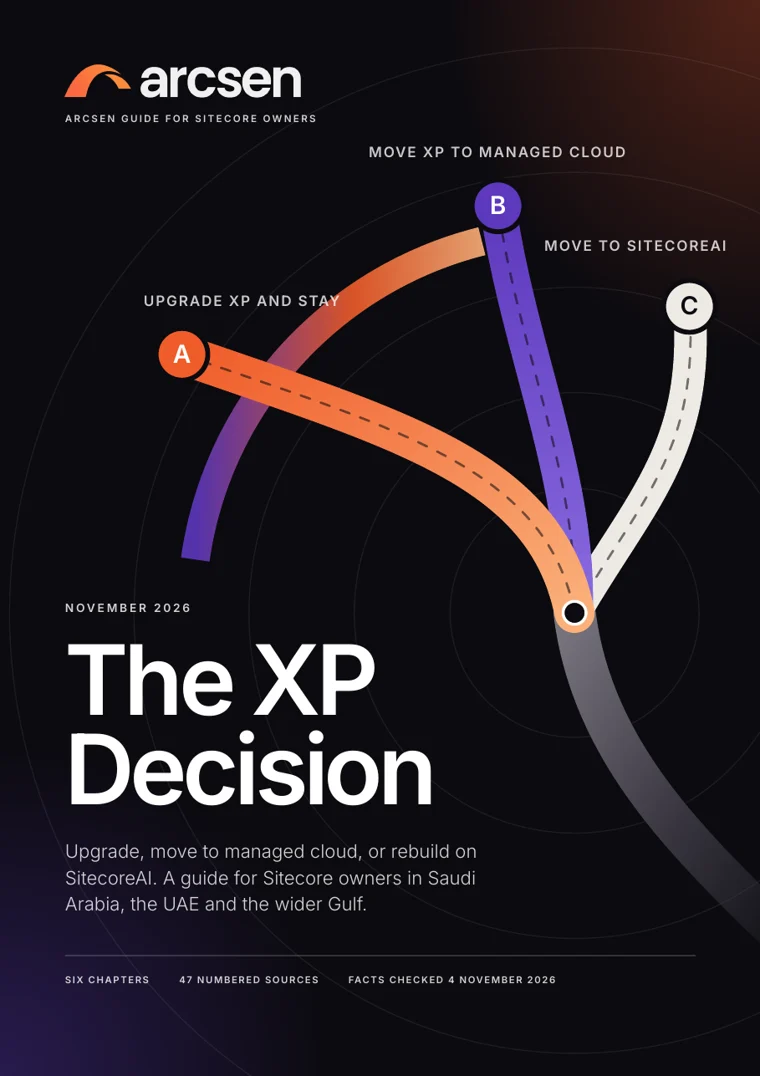
Free guide · for XP owners
The XP Decision
MarketingIQ does not come with an XP licence. Stay, upgrade or move to SitecoreAI: support dates for every XP version, what each path costs, and a 90-day plan.
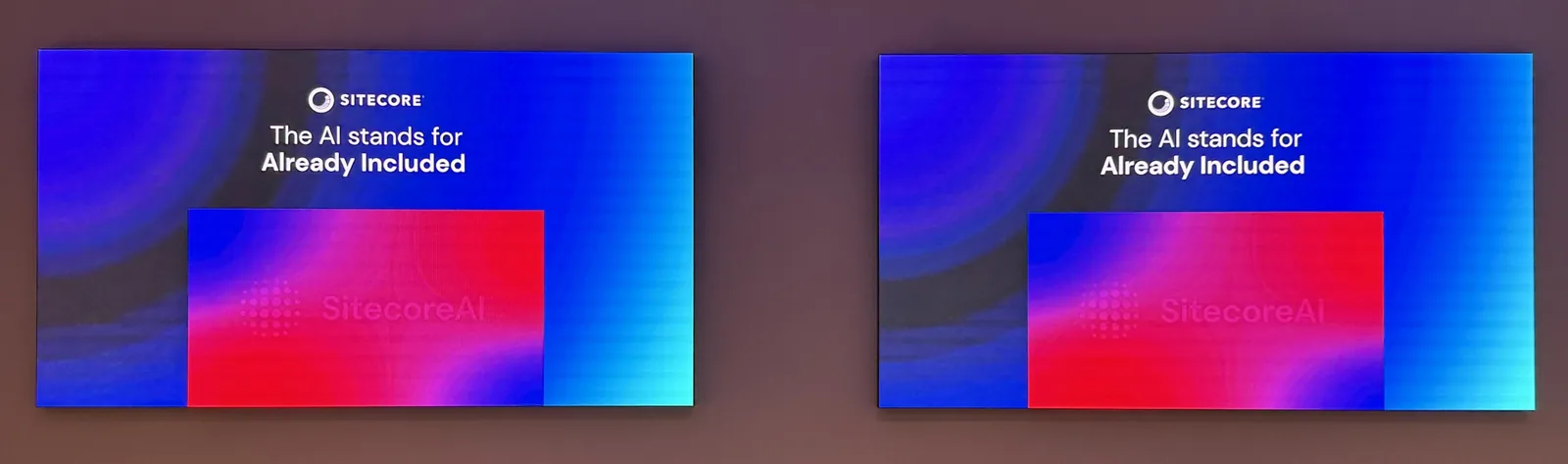
The screens outside the session rooms made the same point with a pun: the AI in SitecoreAI “stands for Already Included”. For buyers that is the message that matters. The intelligence layer is part of the platform they already pay for, not a new line in the budget.
My read
What matters here is not one feature. A digital experience platform now treats AI answers as a channel: measured, acted on and reported against, with a person deciding what ships. Stine put it this way: “Visibility is a commodity, and just about anybody can do it.” Tracking without acting is a dashboard. Acting without approved knowledge is a liability. MarketingIQ is Sitecore’s bet that the value lives between the two.
Three questions I will be asking before we put it in front of a client: when exactly it reaches their tenant, how a change in an AI answer is tied to revenue rather than assumed, and how approval rights are set for regulated claims in banking, insurance and healthcare. Sitecore will demonstrate more at the Symposium Digital Edition on 9 December.
The ideas I am bringing home
- Leave room for what you didn’t plan. Sitecore’s CMO, Michelle Boockoff-Bajdek, introduced the frontier brand: one that sees change sooner, connects signals to business context and responds while the opportunity is still there. Planning still matters, but demand now moves between planning cycles.
- The buying journey starts before the click. Scrunch research shared on the main stage found that within a week of an AI platform recommending a brand, people are 182% more likely to search for it on Google, 117% more likely to visit its site and 185% more likely to view its products at a retailer. More than 41% of AI sessions never leave the platform. Your analytics will not see most of this.
- Context is rewiring the stack. Scott Brinker introduced Golden Context: the place where customer needs, business knowledge and what technology can act on come together. I like the name because it explains why content governance is now an AI question.
- Relevance is still human. Andy Cohen joined Eric Stine for a conversation on storytelling, creative instinct and keeping audiences coming back. After two days of talk about agents, it was a useful reminder that the audience is still people.
- Proof from the field. Boston Beer, CIMIC, Cracker Barrel, Michigan State University, Nestlé and Akamai shared their transformations on Day 1. Akamai’s numbers are worth knowing: on pages served through Scrunch’s agent technology, it appeared 364% more often in AI answers to non-branded prompts, with 218% more citations, against comparable pages without it. IFS’s CMO, Oliver Pilgerstorfer, said its share of citations for target phrases rose from under 50% to over 75%, per CMSWire; that result covers its AI search work overall.
Day 2: from being found to being chosen
If Day 1 was about acting on what AI says about you, Day 2 was about what AI listens to. Scrunch launched Citation Optimization, and it targets the part of AI visibility most brands cannot see: the publishers, reviewers and other sources the assistants trust. For every prompt you track, it shows which third-party pages are cited, which already include you, where competitors appear instead, and where outreach would move the answer most. Then it helps you act, from prioritizing publishers to preparing pitches drawn from your approved information.
Several sessions explained why this matters. A Muck Rack study from May 2026, reported by CMSWire, found that 84% of citations in ChatGPT, Claude and Gemini came from earned sources, and 0.3% from paid or advertorial content. AEO consultant Kaleigh Moore explained how answer engines decide who to cite, and why credible, verifiable third-party signals can matter more than producing more content. Bestselling author Tim Sanders explored how discovery, credibility and choice change when AI sits between a brand and its customers.
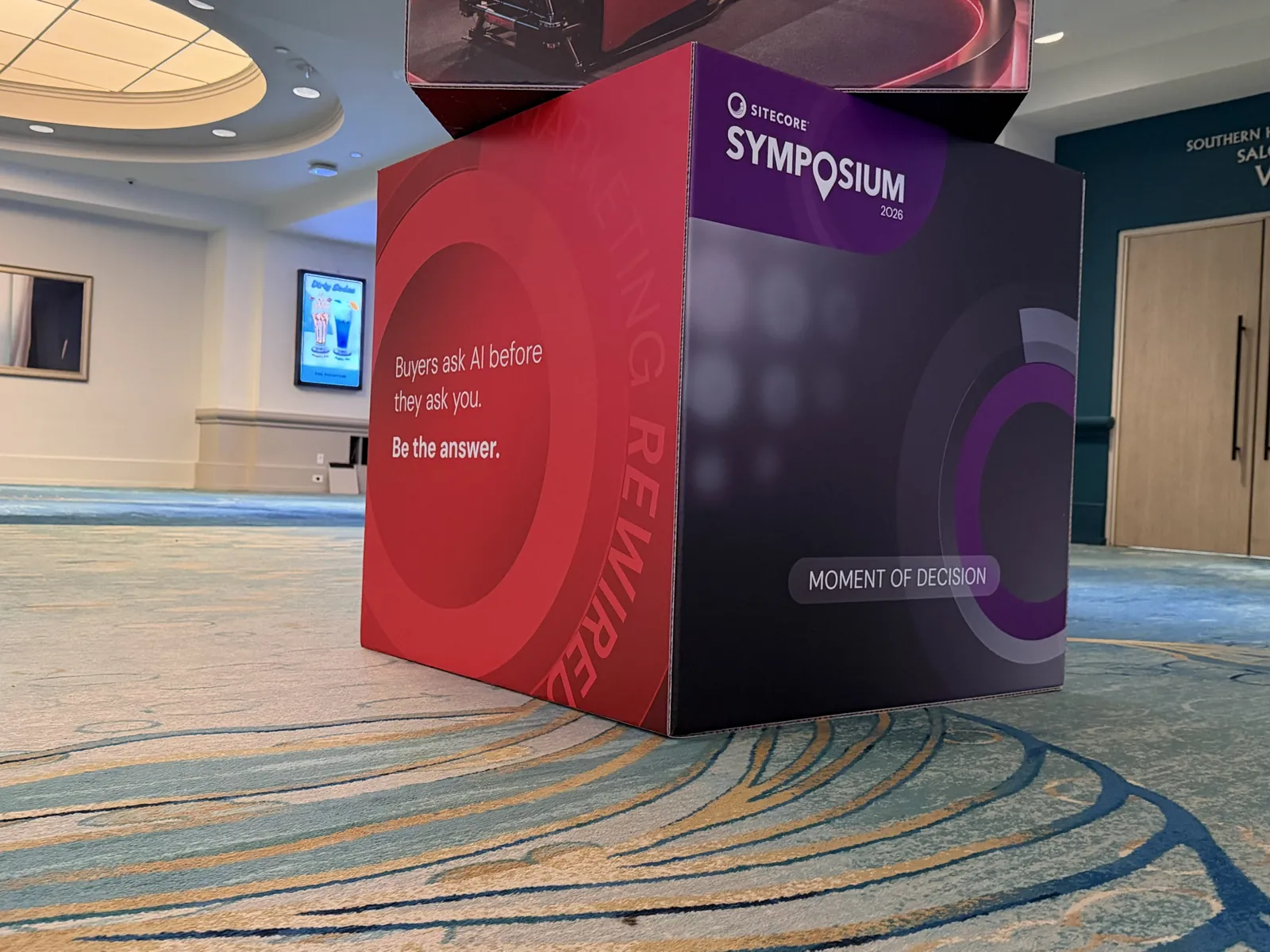
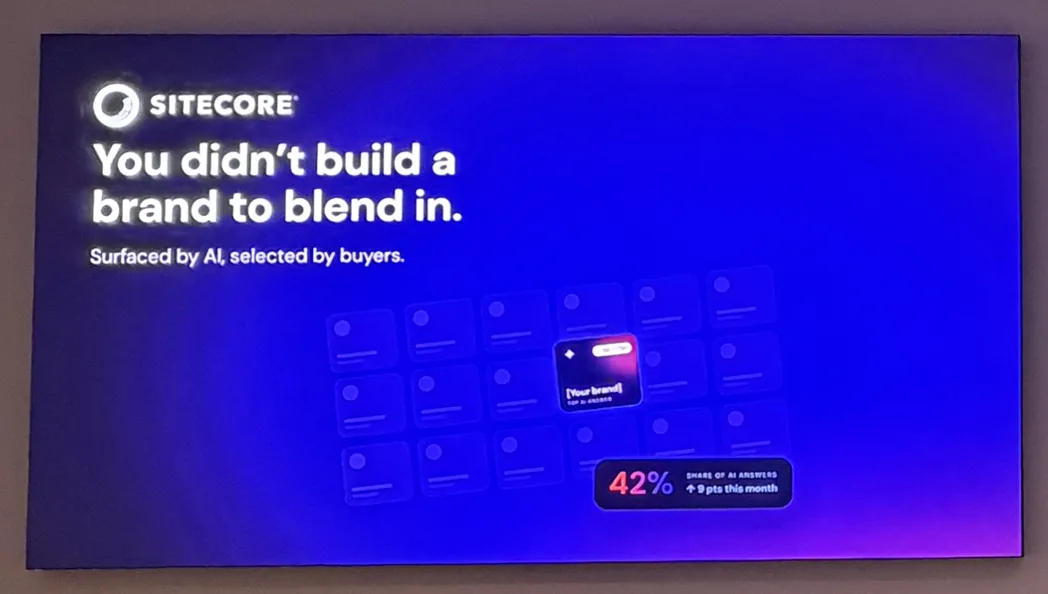
Scrunch co-founder and CEO Chris Andrew looked further ahead, to assistants that recommend, decide and act on our behalf. His line, as CMSWire reported it: “In this new era, it’s no longer enough to fight for clicks, you have to become the answer.” He also called AI search “the first channel with 100% attribution”. I would put that more carefully. The prompts are measurable in a way search never was, but tying an answer to a sale still takes work, and I would ask any vendor, us included, to show the method.
Kristina Huddart made the case for the DAM as the foundation of being trusted: when people and AI agents are both your audience, well-managed, approved assets are what they find.
Scrunch’s research behind Imposter Detection is sobering. Across ChatGPT, Perplexity, Gemini, Google AI Overviews, Google AI Mode and Microsoft Copilot, 17% of Fortune 500 companies had an impostor site cited in AI answers, and in three of four such answers the assistant presented it as the official source. Tourism Australia, Hexagon, WellSpan Health and Cushman & Wakefield brought the day back to what these shifts look like inside complex organizations.
What changes in our work
These tools make it possible to advise a brand on its AI presence with evidence instead of opinion. That advice has to stay honest about what no tool can do. Assistants choose their own sources. We can raise the odds; nobody can buy the answer.
For Arcsen, the week settles our approach. We run the loop with clients as one programme: measure with Scrunch in every language and market they sell in, fix what AI bots cannot read, ground the assistants in approved facts in SitecoreAI, earn the third-party citations that matter, and connect it to the CRM so the website, the AI answer and the service agent give the same fee, the same steps and the same link.
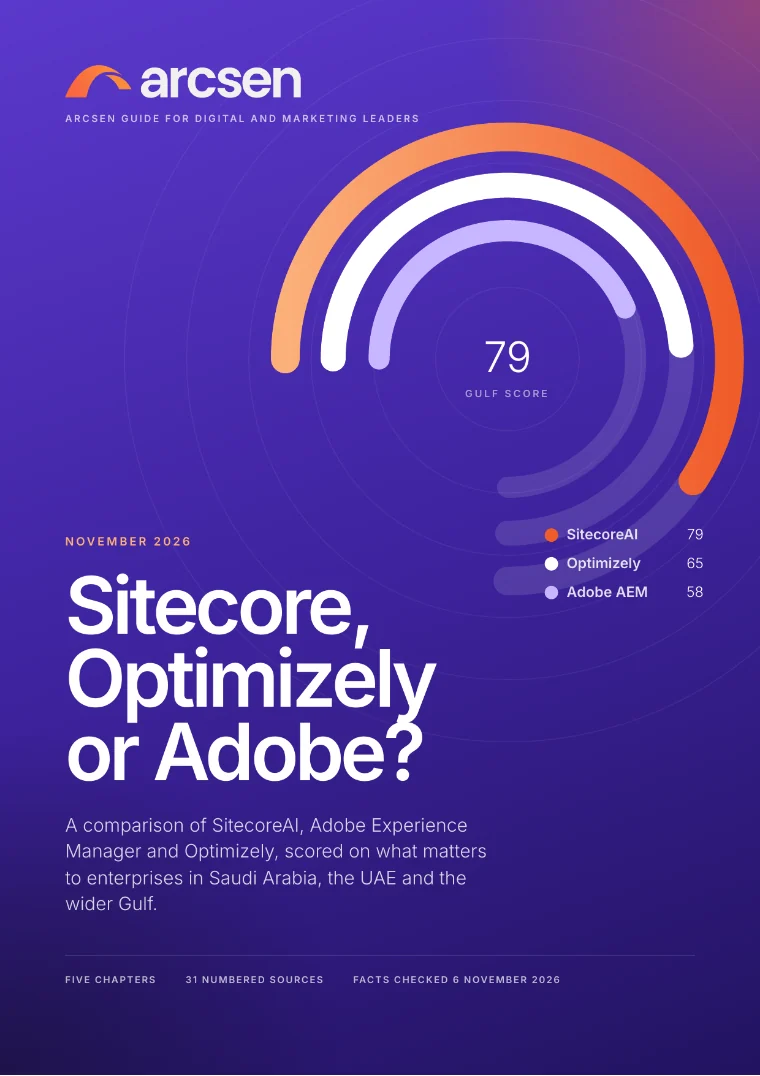
The same applies to brands still on another platform. We have mapped the move to SitecoreAI from Adobe Experience Manager, Optimizely and Drupal, and written about the part a migration plan tends to miss: the customer experience itself. If you are still choosing a platform, our guide Sitecore, Optimizely or Adobe? compares the three for Gulf brands.
Free guide · choosing a platform
Sitecore, Optimizely or Adobe?
SitecoreAI, Adobe AEM and Optimizely compared for Saudi Arabia and the UAE: hosting, Arabic, AI pricing, scores and a demo script.
The view from the Gulf: the gap is in Arabic
Everything announced this week matters more in Arabic. Only 0.6% of websites whose language is known are in Arabic, according to W3Techs, so when an assistant answers in Arabic it has far less to draw on, and it fills the gap with aggregators, forums and English pages. Citation Optimization will show many Gulf brands that the sources shaping their Arabic answers are not theirs at all.
We tested this during Symposium week. On 11 and 12 November we checked the Arabic home or main landing page of 19 large consumer brands in Saudi Arabia, the UAE, Qatar and Egypt, across banking, telecoms, airlines, retail, real estate and healthcare. Sixteen had no structured data written in Arabic. Nine had no Arabic hreflang. Six had a canonical tag that was missing or pointed elsewhere. Three had under 300 Arabic characters in the HTML the server sends, which is all most AI crawlers read. Two blocked an AI search or live-answer bot in robots.txt. None of these needs a new website to fix, and every one of them makes the loop above work less well in Arabic.
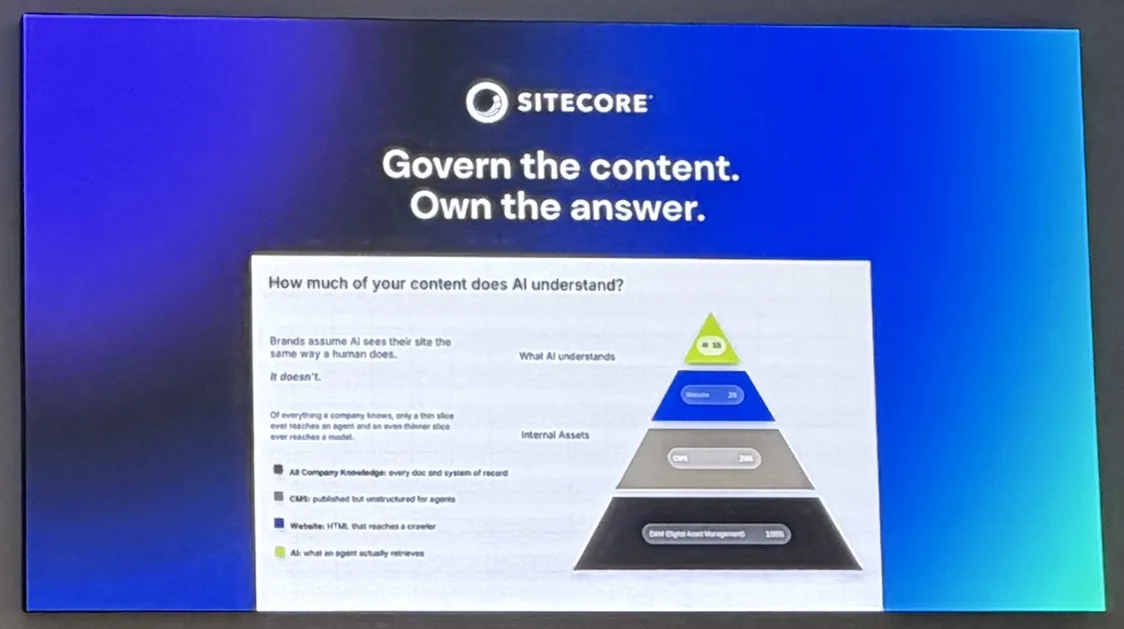
Sitecore had a slide on the lounge screens that explains why those numbers matter more than they look. Under the line “Govern the content. Own the answer.” it drew a pyramid: everything a company knows at the base, then what sits in the CMS, then the HTML a crawler can actually reach, and at the tip the sliver an agent retrieves. The caption was blunt: brands assume AI sees their site the way a human does, and “It doesn’t.” For an Arabic page that ships most of its text through JavaScript, the tip of that pyramid is close to empty.
So my advice to a marketing leader in Riyadh, Dubai, Doha or Cairo this quarter:
- Measure Arabic on its own line. Track the questions your customers ask in Modern Standard Arabic and in dialect, per market, and report Arabic share of answers separately from English. Blended numbers hide the gap.
- Make your Arabic pages readable by machines. Arabic text in the server-rendered HTML, Arabic structured data, correct hreflang and canonicals.
- Keep one approved fact, in both languages. When the English and Arabic pages disagree on a fee or an opening hour, the assistant trusts neither.
- Find your Arabic citation sources. Know which Arabic publishers and reviewers shape answers in your category, and earn your place in them.
- Name one owner. AI visibility crosses marketing, digital, IT, Arabic editorial and compliance. Without one accountable owner, Arabic is the first thing to slip.
We have written all of this up, with the full audit, a 10-question test you can run tonight and a 90-day plan, in our free guide AI Search in Arabic, also available in Arabic as البحث بالذكاء الاصطناعي بالعربية. My colleague Omar Mansour has gone deeper on the Scrunch releases in Scrunch after Sitecore Symposium 2026.
Free guide · English and Arabic
AI Search in Arabic
The full 19-site audit behind this section, a 10-question test you can run on your own brand tonight, and a 90-day plan.
Sitecore in Arabic: the edge we are building on
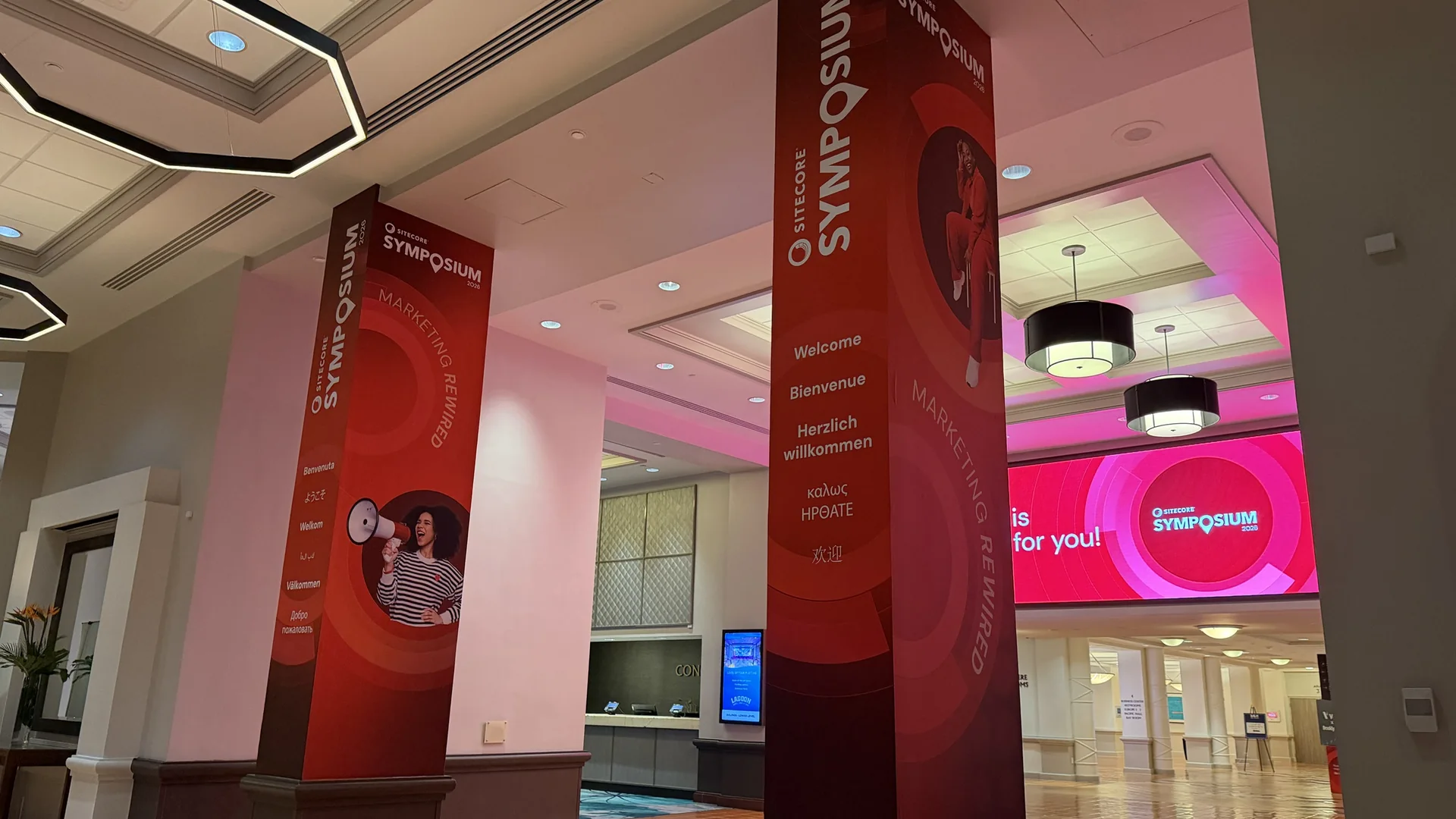
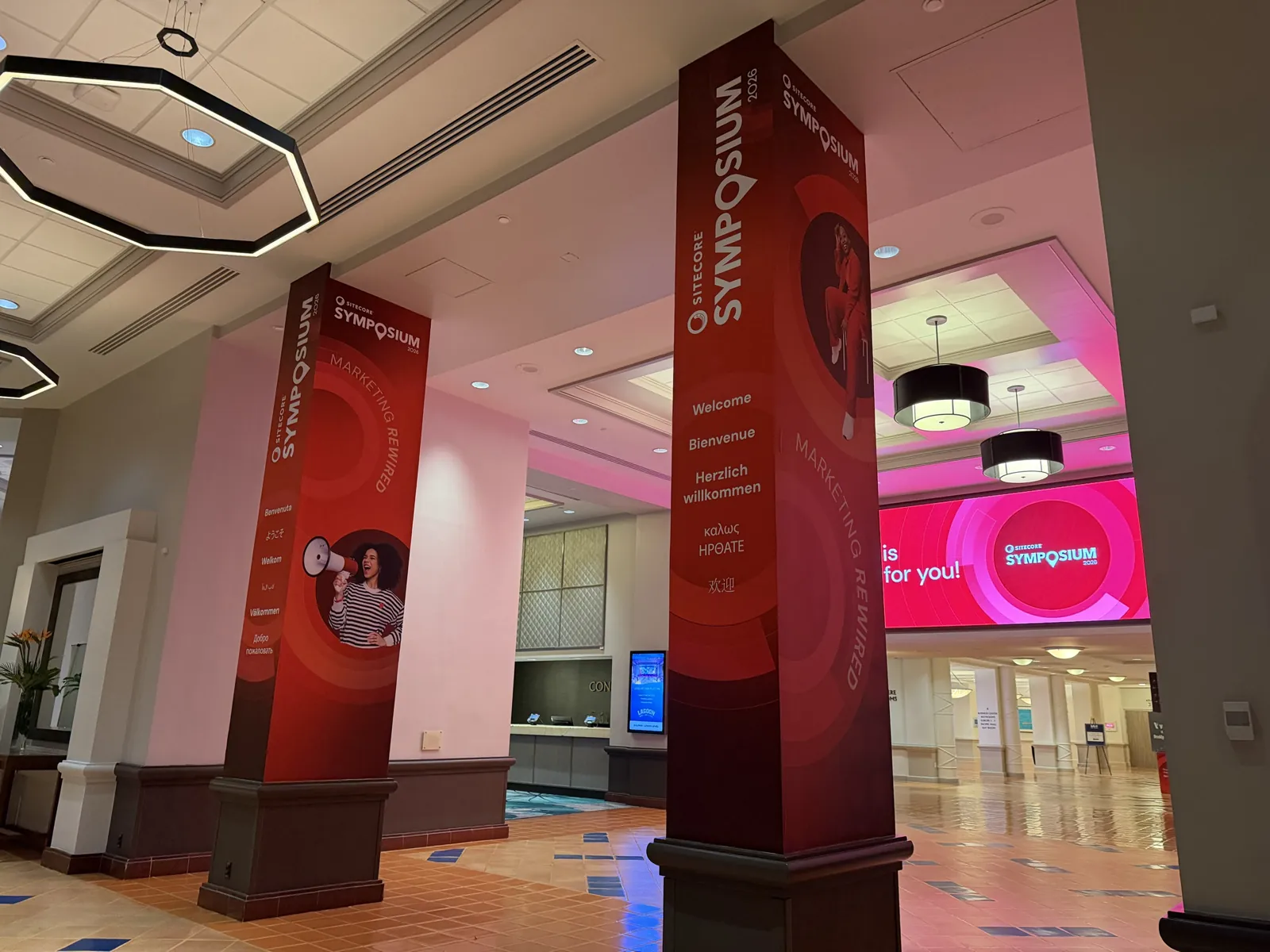
The welcome pillars in Orlando greeted people in many languages, Arabic among them. That is a fair picture of this community: global, and generous about it. It is also a reminder of how most Sitecore work still gets done. Sites are designed in English, built in English, and translated into Arabic near the end. For brands in the Gulf and Egypt that order is backwards. Their customers search, ask and buy in Arabic first.
The platform is not the problem. Sitecore has always treated languages as versions of the same item, so an Arabic page and its English twin share one structure, one workflow and one approval trail. Arabic goes wrong around the platform. Right-to-left layouts get bolted on late. Arabic pages are rendered in the browser, where crawlers never see them. Metadata is copied from English. Search is set up without Arabic in mind, and Arabic editors end up working in tools configured for someone else.
This week raises the stakes. MarketingIQ can only correct an Arabic answer if there is approved Arabic knowledge to draw on. Scrunch can only show the Arabic gap if someone tracks Arabic prompts, in dialect as well as Modern Standard Arabic. Pages built for AI agents only help if the Arabic version is as complete as the English one. Every layer Sitecore adds sits on top of the content. The brands that win in Arabic will be the ones whose Arabic content was built properly from the start.
That is where Arcsen chose to go deep. We build Arabic-first on Sitecore, we train Arabic-speaking Sitecore talent through The Arcsen Academy, and we publish our Sitecore thinking in both languages, down to our Sitecore pages in Arabic. Our Arabic First playbook covers bilingual SitecoreAI builds end to end, and our دليل Sitecore بالعربية explains the platform to Arabic-speaking teams in their own language. For a Sitecore partner in this region, Arabic is not a feature you add at the end of a project. It is the project.
Free guide · bilingual SitecoreAI
Arabic First
Our playbook for Arabic and English sites on SitecoreAI in Saudi Arabia, the UAE and Egypt: where Arabic is required, language setup, AI translation with human review, right-to-left and release QA.
On being named Outstanding New Partner EMEA
Receiving this award in the same week Sitecore set out this direction meant a lot to the whole team. The award recognizes two things: the customers across the region who chose Arcsen as a new Sitecore partner for SitecoreAI builds and Sitecore XP work, among them EgyptAir on its move to SitecoreAI, and The Arcsen Academy, our programme for building Sitecore talent in the Middle East, in Arabic and English, close to the customers it serves.
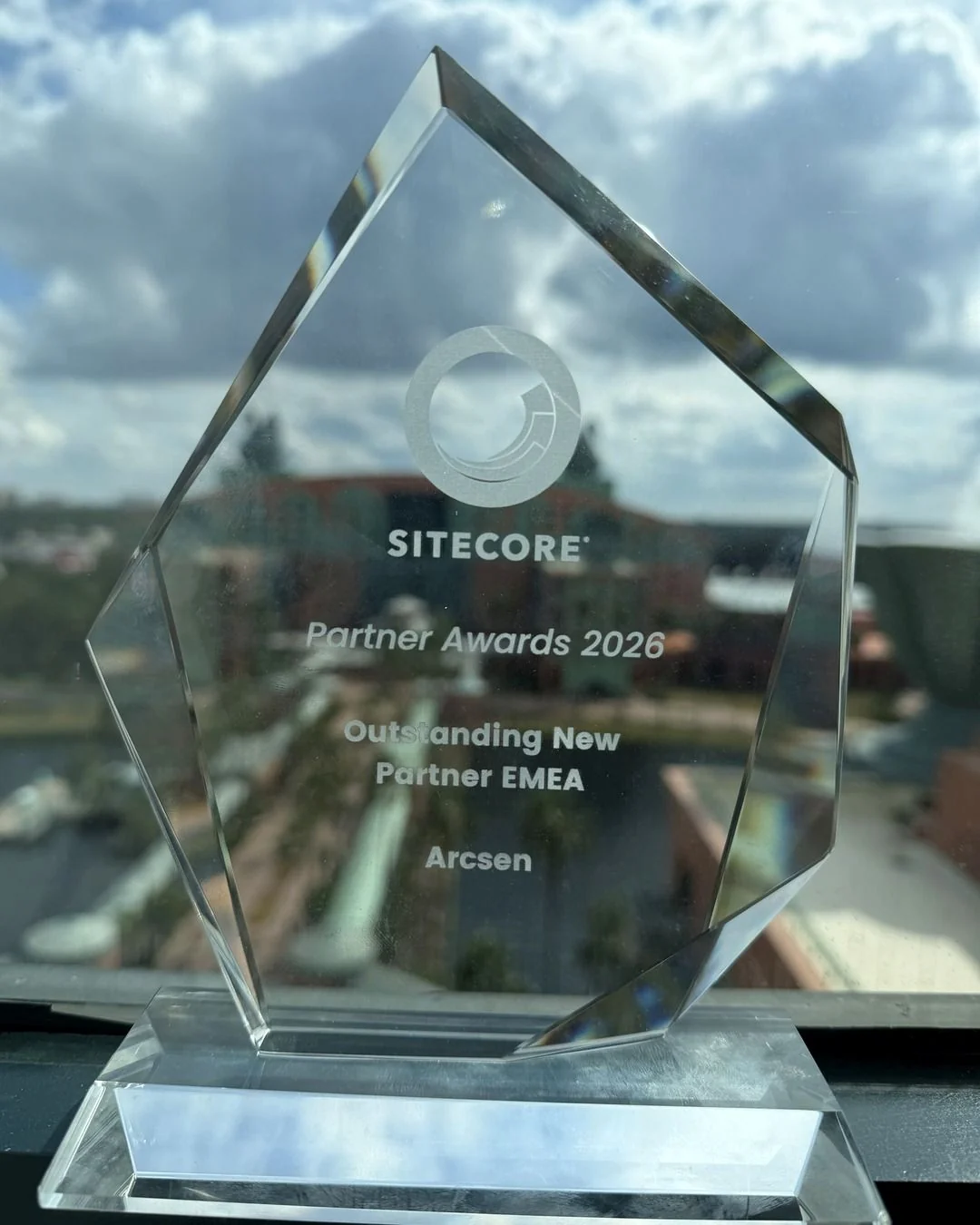
Thank you to Sitecore for the recognition and for a remarkable week, to our customers for their trust, and to our Sitecore team and every member of The Arcsen Academy. The work announced this week is exactly the work we came into the Sitecore community to do: help brands in our region be found, trusted and chosen, in Arabic as well as in English.
If you were in Orlando and want to compare notes, or you want to see where your brand stands in AI answers in Arabic, get in touch.
Free guide, in English and Arabic
AI Search in Arabic: how Gulf and Egyptian brands get recommended by ChatGPT, Gemini and Google. 37 pages, with our 19-site audit and a 90-day plan.
Sources
- Sitecore press release: Sitecore introduces MarketingIQ to turn brand intelligence into business growth (11 November 2026)
- Sitecore: MarketingIQ product page (MCP connections, licensing)
- Scrunch press release via GlobeNewswire: Scrunch launches Citation Optimization (12 November 2026)
- CMSWire: Sitecore places its bet on answer engine visibility with MarketingIQ (November 2026)
- CMSWire: Sitecore Scrunch launches Citation Optimization for AI search visibility (12 November 2026)
- PPC Land: Sitecore’s MarketingIQ drafts fixes when ChatGPT or Gemini gets a brand wrong (November 2026)
- Sitecore press release: Sitecore acquires Scrunch (3 June 2026), including the Akamai results
- Sitecore press release: Andy Cohen joins Sitecore Symposium 2026 lineup (2 November 2026)
- W3Techs: usage statistics of Arabic as a content language for websites (November 2026)
- Sitecore’s Symposium 2026 Day 1 and Day 2 recaps, 11 and 12 November 2026 (speakers and customers on stage).
- Arcsen: named Outstanding New Partner EMEA at the Sitecore Partner Awards 2026
- Arcsen audit of the Arabic pages of 19 brand sites in Saudi Arabia, the UAE, Qatar and Egypt, 11 and 12 November 2026. Method and results in AI Search in Arabic.