AI

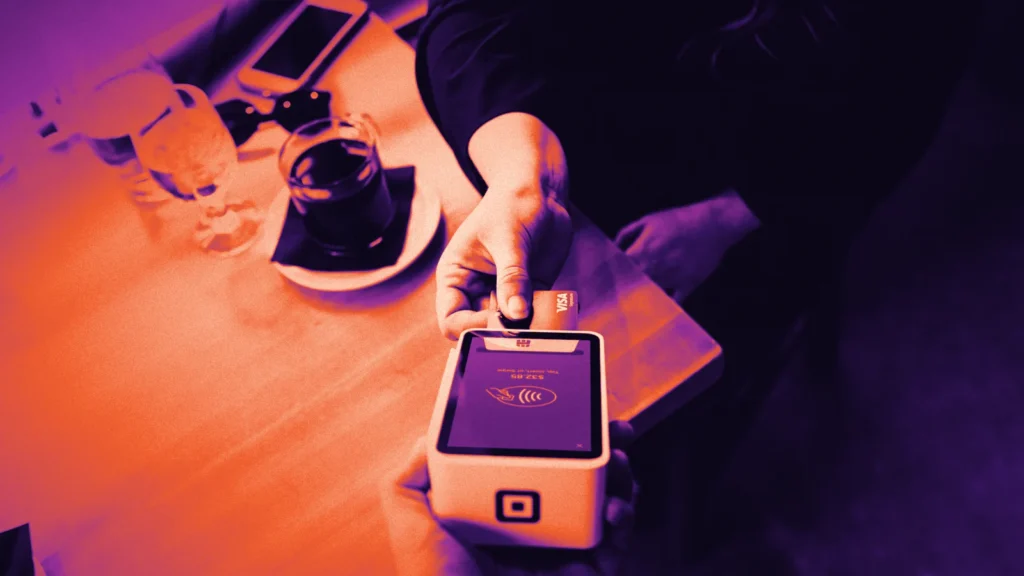
A shopper in Riyadh or Cairo might buy in a mall store, order again online, ask a sales associate about sizes on WhatsApp and call the contact centre about a return, all in the same month. Each moment lands in a different system: the point of sale, the e-commerce platform, the loyalty programme, the associate’s own phone and the ERP. The brand sees several customers where there is one, and nobody can say who agreed to hear from it on which channel.
Distributors that sell to retailers have the same problem with accounts: outlets, orders and credit in SAP, field visits and service tickets all sit apart. Salesforce can join these into one profile, and most of the work is design: who owns each piece of data, how records match, and where consent lives.
What one profile holds, and who owns each part
The Salesforce product for this is Data 360, formerly Data Cloud, renamed on 14 October 2025. It ingests streaming and batch data, unifies profiles with identity resolution rulesets and activates segments in other channels, and its documentation covers connectors for B2C Commerce, Marketing Cloud Engagement, Salesforce CRM, websites and mobile apps. First agree which system owns which data, and let that system win every conflict.
| Data | System of record | Into the profile | Decide early |
|---|---|---|---|
| Store purchases | Point of sale or ERP | Batch or streaming ingestion | What staff ask for at the till |
| Online orders and browsing | Commerce Cloud or your e-commerce platform | B2C Commerce connector, or the website and app connector | How a guest checkout becomes a known customer |
| Service cases and WhatsApp | Service Cloud | Salesforce CRM connector | Who may see which conversations |
| Loyalty tiers and points | Your loyalty platform | Ingestion | Which fields marketing may use |
| Consent | One consent store | Ingested with each source, checked at activation | The wording in Arabic and English, and who approves it |
| Products, prices, credit and invoices | SAP | MuleSoft, read-only in Salesforce | Which fields sync, and how often |
| Retailers and outlets | SAP for billing, Sales Cloud for the relationship | Accounts carrying the SAP customer number | The hierarchy from group to outlet to buyer |
Matching people: Arabic names and Gulf mobile numbers
Salesforce documents three match methods: Exact, which ignores case; Exact Normalized, for email, phone and address; and Fuzzy, an AI model trained with data from over 150 countries. At high precision, Salesforce says, fuzzy matching works across international alphabet characters and cross-cultural spellings. It does not name Arabic, so test it with the same customer written as Mohamed, Mohammed and محمد in different systems.
The mobile number matters most, because customers give it at the till and WhatsApp runs on it. Exact Normalized formats phone numbers to E.164 using the country code you map or the country on the record, and without either, the number is normalized without a country code. A local number from a till and the same number from WhatsApp may then fail to match, so capture the country code at source and map it in every data stream. One number can also serve a household, with a driver ordering for the family, so pair it with a name or email before profiles merge for marketing.
Stores, e-commerce, clienteling and WhatsApp
- Stores. Decide what staff ask for at the till, and capture consent in the same step, in Arabic or English. A digital receipt gives the customer a reason to share a number.
- E-commerce. On Commerce Cloud, the B2C Commerce connector brings orders into Data 360, and the documentation covers activation back to B2C Commerce, so store and service data can shape what a signed-in shopper sees. Other platforms connect through ingestion or MuleSoft.
- Service. Service Cloud puts orders, returns and cases in front of the agent and handles WhatsApp through enhanced channels. Each channel is linked to a WhatsApp Business Account, one account cannot serve two orgs, and a sandbox counts as a separate org, so settle orgs, accounts and numbers early.
- Clienteling. Associates often keep their best clients on their own phones, and when they leave, the relationship leaves with them. Run clienteling on the brand’s WhatsApp Business Account in Salesforce, so each conversation sits on the client’s record, and agree which approved templates associates may use to open a conversation.
- Marketing. Data 360 segments activate to Marketing Cloud Engagement, and the documentation covers checking consent at activation. Use it, so a campaign reaches only people who agreed to that channel and purpose.
Distributors and brands that sell to retailers
For a distributor, the customer is an account: a retail group, its outlets and the buyers who order. Model that hierarchy in Sales Cloud with the SAP customer number on every account, and match outlets on identifiers such as that number, since fuzzy methods are not available for Account fields.
Brands with field teams can add Consumer Goods Cloud, which helps reps prioritize store visits by store performance and quotas, runs retail execution on offline iOS and Android apps, and covers purchase orders, goods receipts and stock audits through its Distributor Management.
SAP usually stays the system of record for products, prices, credit, orders and invoices. Salesforce shows that data and captures what happens with the customer: visits, orders and cases. Orders go to SAP for pricing and credit checks and the status comes back, through a MuleSoft integration layer with retries and monitoring. Dealers can order, track deliveries and raise cases on a partner portal.
Consent and marketing rules
Confirm the detail with counsel in each country, including Egypt, which has its own personal data protection law.
UAE. Federal Decree-Law No. 45 of 2021, in force since 2 January 2022, defines consent as specific, clear and unambiguous, given by a clear positive statement or action. The controller must be able to prove it, and the customer can withdraw it easily. Customers may object to direct marketing, including profiling for it. Free zones with their own data protection laws sit outside it.
Saudi Arabia. The Personal Data Protection Law came into force on 14 September 2023. Chambers’ 2026 guide says it generally requires explicit consent for direct or targeted marketing, and that the Communications, Space and Technology Commission’s anti-spam rules require prior opt-in for promotional SMS, calls and electronic messages, with a free opt-out honoured promptly.
In Data 360, the privacy data model holds consent per contact point, including double opt-in, per channel such as SMS or email, and per data use purpose such as marketing, and records where, when and how consent was granted. Salesforce leaves the rules for honouring it to you, so write them once, by country, channel and purpose, and store the wording version with every opt-in.
Our retail and distribution work
Arcsen is a Salesforce Summit partner with 170+ consultants and 400+ certifications in Dubai, Riyadh, Jeddah, Doha and Cairo, with Arabic-first delivery.
- Azza Fahmy: we are implementing Sales Cloud, Marketing Cloud and Data 360 for the Egyptian jewellery house, with one customer profile behind every sale and campaign.
- Ounass: customer care runs on Service Cloud, with one view of every customer’s orders, returns, store credit and loyalty, with WhatsApp, chatbot, live chat, IVR and social channels, Slack swarming, and Magento and SAP integration.
- Coca-Cola KSA: we are implementing Sales Cloud for Coca-Cola in Saudi Arabia, integrated with SAP so sales and the ERP work from one set of data.
- Brother: the UAE distributor channel runs self-service on a partner portal, with omni-channel customer service on one desk.
Where to start
- List every system that creates a customer or account record, and name the owner of each field.
- Fix identifiers at source: mobile numbers with country codes at the till and on WhatsApp.
- Agree one consent model by country, channel and purpose, with approved Arabic and English wording.
- Prove the profile on one use case, such as a contact-centre view of orders and returns, before adding sources.
- Already on Salesforce? Start with a health check of the org, so the profile builds on clean data.
Frequently asked questions
Do we need Data 360 for one customer profile?
For one profile across stores, e-commerce, loyalty and service, usually yes. Data 360 ingests data from each source, unifies it with identity resolution rulesets and activates segments to other channels.
Can Data 360 match Arabic names?
Its fuzzy method uses an AI model trained with data from over 150 countries and handles cross-cultural spellings at high precision. Salesforce does not name Arabic, so test with your own records and match on normalized phone numbers too.
Can WhatsApp conversations sit on the customer profile?
Yes. Service Cloud runs WhatsApp through enhanced WhatsApp channels, and conversations stay in Salesforce with the customer. One WhatsApp Business Account cannot serve two orgs, so settle the structure early.
Which consent rules apply to retail marketing in the Gulf?
In the UAE, Federal Decree-Law No. 45 of 2021 requires consent to be provable and easy to withdraw, and lets customers object to direct marketing. In Saudi Arabia, Chambers reports that explicit consent is generally required for direct marketing, and prior opt-in for promotional messages.
Sources
- Salesforce Help: About Salesforce Data 360
- Salesforce Help: Identity resolution match methods
- Salesforce Help: Privacy data model in Data 360
- Salesforce Help: Enhanced WhatsApp channels
- Salesforce: Consumer Goods Cloud
- UAE Legislation: Federal Decree-Law No. 45 of 2021 on the protection of personal data
- Chambers and Partners: Data Protection & Privacy 2026, Saudi Arabia, by GLA & Company (March 2026)